What a vehicle identification number is
A vehicle identification number is a 17-character code assigned by the manufacturer. In the United States the format is set by federal rules (49 CFR Part 565) and has applied to cars and light trucks since the 1981 model year. Before that, manufacturers used their own formats and lengths, which is why older classics have shorter numbers that a modern decoder can't read.
No two vehicles built within 30 years of each other share a VIN. It stays with the car for life, through every owner, state and title.
Why the VIN matters when you buy a used car
- State title and registration records are filed under it.
- Insurers report total losses against it.
- Manufacturers and NHTSA track safety recalls by it.
- Police and insurers record thefts by it.
- Commercial history reports are built by matching records to it.
If the VIN you check isn't the VIN on the car, every check you run is about a different vehicle.
Where to find the VIN on a car
| Location | What to look for |
|---|---|
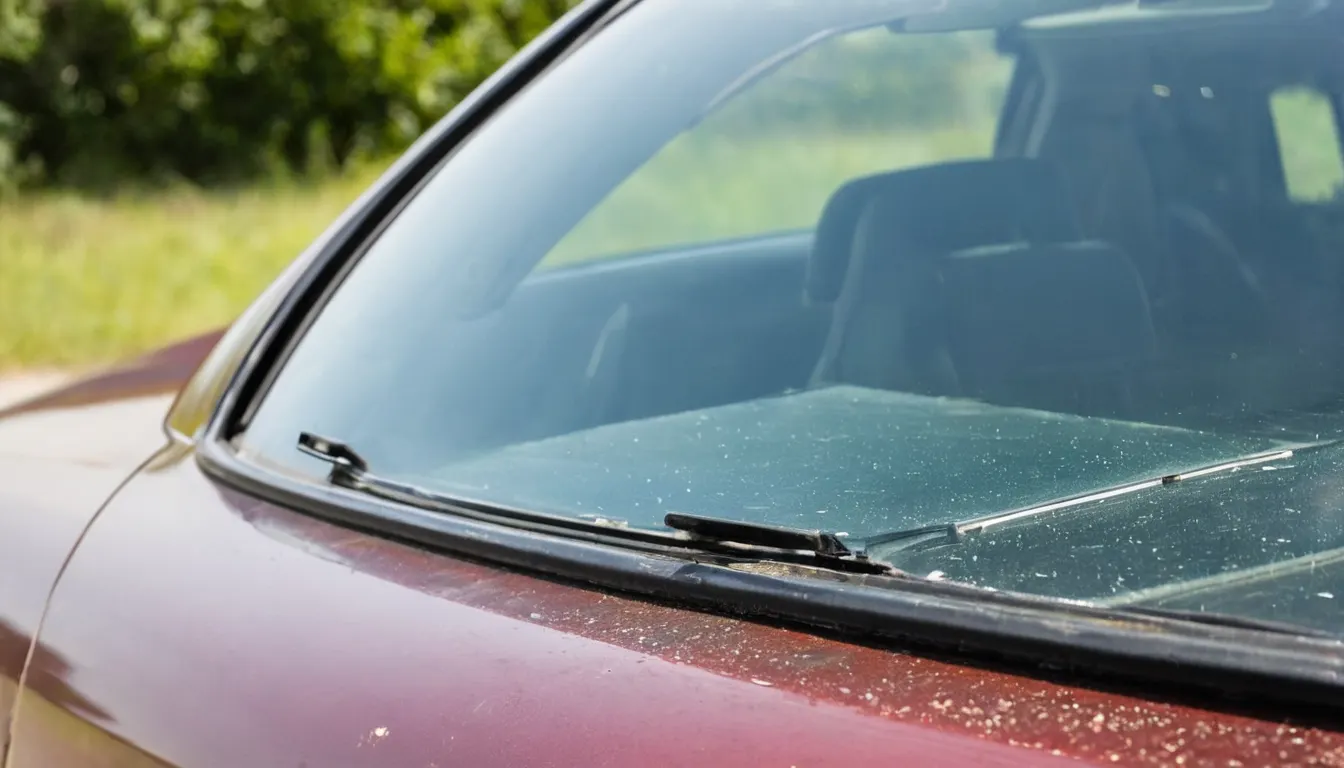
| Dashboard | A metal plate at the base of the windshield on the driver's side, readable from outside. This is the most common place to check. |
| Driver's door jamb | The certification label on the door edge or pillar. It shows the VIN with the build month and weight ratings. |
| Engine bay and frame | Many vehicles have the VIN or part of it stamped on the firewall, frame or engine block. Locations vary by make. |
| Other labels | Some vehicles carry VIN labels on major body panels and parts, part of federal theft-prevention rules for certain models. |
Take photos of the dashboard plate and door-jamb label on your phone. You'll want them when you compare the paperwork.
Where to find the VIN in the paperwork
- The title certificate, which proves ownership, shows the VIN along with any brand notes and the recorded mileage.
- The registration card is issued by the state and usually kept in the glovebox.
- The insurance card or policy carries the insurer's copy of the VIN.
- Service records often show it, and many dealers put the VIN in the online listing. Private sellers will often give it if you ask.
Check that the VIN matches on the car and the title
Compare all 17 characters, not just the last few. Read them out slowly. The most common honest mistakes are swapped characters and look-alikes like 8 and B, 5 and S, or 2 and Z. The letters I, O and Q never appear, so if you think you see one it's a 1 or a 0.
Real warning signs include:
- A dashboard plate that looks loose, scratched, re-riveted or glued.
- A door-jamb label that is missing, torn or obviously newer than the surrounding paint.
- A title VIN that differs from the car by even one character.
- A seller who won't let you see the dashboard plate or door jamb.
Any of these is a reason to walk away until the seller explains it in writing. A VIN altered to hide a stolen car is called a cloned or re-tagged VIN. The stolen vehicle check guide covers how to spot one.
What to do once you have the VIN
Run it through the VIN decoder to confirm the check digit and model year, and read the 17-position guide if a field looks odd. Then move on to the free recall lookup and theft check.
Questions about finding a VIN
Can I get the VIN without seeing the car?
Usually. Many dealers show it in the listing, and a private seller can send a photo of the dashboard plate or title. When you see the car, check the number against those photos.
Why is my classic car's VIN shorter than 17 characters?
The 17-character format applies from the 1981 model year. Before that, manufacturers used their own formats and lengths.
Is the VIN the same as the license plate number?
No. The plate is issued by the state and can change when the car is re-registered. The VIN is set by the manufacturer and stays with the car for life.